
How to Plan a Successful Video Shoot: A Complete Checklist for Businesses
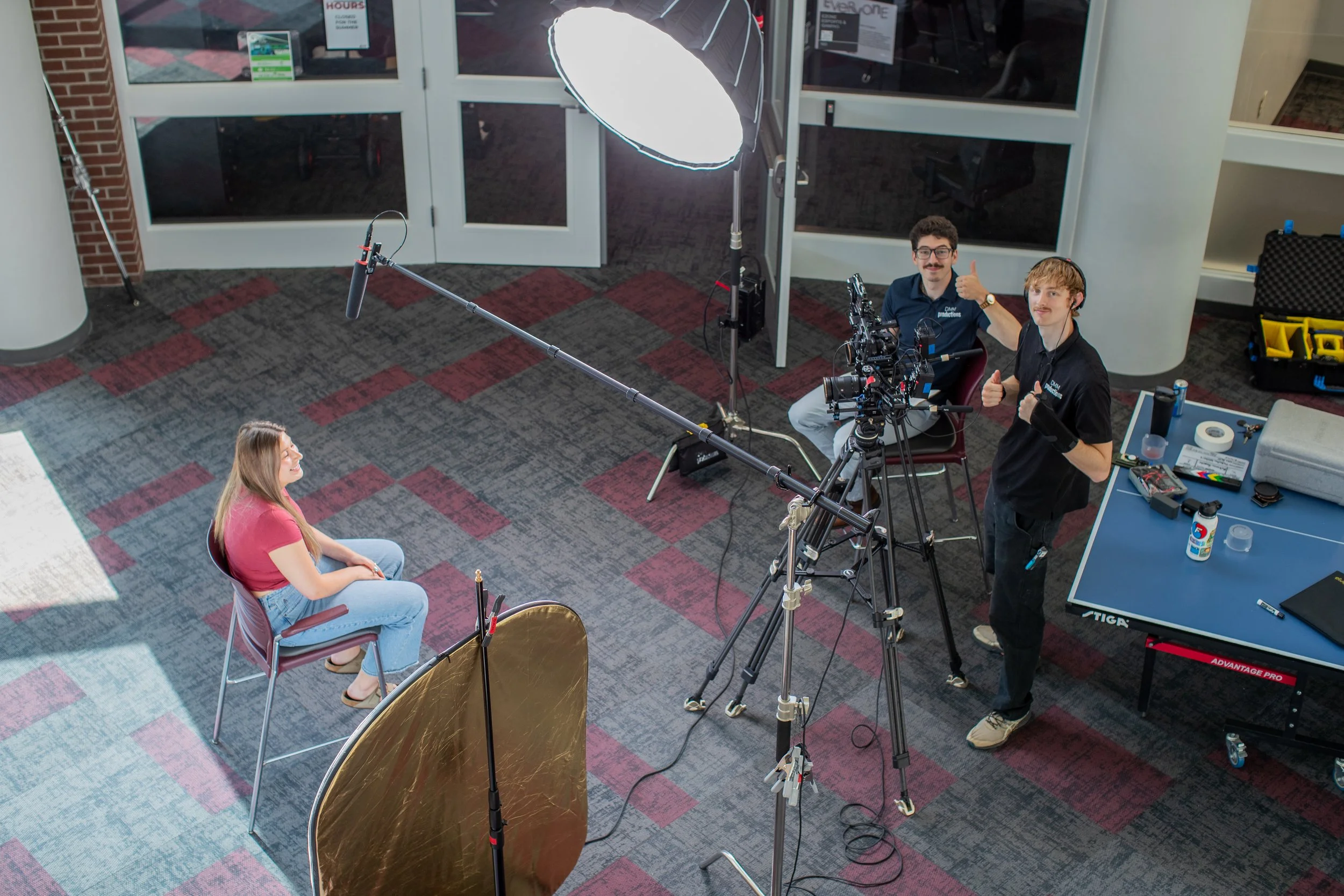
A great video doesn’t happen by accident.
It’s the result of planning, communication, and a smooth process that keeps your team confident and your shoot day running on schedule.
Whether you're filming a brand story, customer testimonial, or recruitment video, this guide walks you through everything your business needs to prepare for a successful shoot — based on what we’ve seen work best with companies across Minnesota and Wisconsin.
1. Clarify Your Goals Before Anything Else
Every strong video starts with clarity.
Before the cameras come out, answer:
What is this video trying to accomplish?
Who is the primary audience?
Where will the video be used (website, social, sales, recruiting, etc.)?
What’s the core message viewers should walk away with?
This keeps your production aligned with your strategy — not just the visuals.
2. Lock in Filming Locations Early
Choosing the right environment prevents logistical surprises and strengthens the story.
When choosing locations, consider:
Quiet spaces for interviews
Visually interesting backgrounds
Clean, organized areas for b-roll
Company branding or signage
Natural light vs. controllable lighting
Space for equipment setup
If additional approvals or facility access are needed, secure them early.
3. Select the Right Interview Subjects
For interview-driven videos, your people are the heart of the story.
Choose individuals who are:
Knowledgeable about the topic
Comfortable speaking on camera
Represent your brand well
Available and on time
Able to speak in a conversational tone (not scripted)
Give them simple instructions, but don’t script their answers — authenticity always wins.
4. Prepare Your Team for Shoot Day
Your staff doesn’t need to rehearse, but they should know:
The shoot schedule
Who is being interviewed
Approximate interview times
Any spaces that will be occupied
Any clothing guidelines
Where gear will be set up
Good internal communication reduces delays and ensures everyone feels prepared.
5. Clean and Stage Your Spaces
Your environment reflects your brand.
Simple improvements go a long way, such as:
Tidying work areas
Removing clutter
Wiping down tables
Straightening posters or signage
Turning on all overhead lights (unless instructed otherwise)
Clearing walkways for b-roll shots
If filming in a factory or shop, ensure safety gear and protocols are followed.
6. Build a Realistic Timeline
A solid shoot schedule reduces stress for everyone.
A standard interview shoot might include:
Arrival & setup
First interview
B-roll from that department
Second interview
Additional b-roll
Wrap
When planning:
Pad interviews by 10–15 minutes
Give your team enough time between sessions
Avoid scheduling interview subjects back-to-back without breaks
Your production partner (like us) will help build a detailed schedule — but your internal alignment is key.
7. Confirm Release Forms and Permissions
For legal and logistical safety, ensure:
Interview subjects have signed releases
Anyone shown prominently in b-roll is approved
Locations with restricted access are cleared
Minors (if any) have parental consent
This prevents issues later in the edit.
8. Prepare Items That Add Visual Value
Small details elevate your footage.
Depending on your business, consider having:
Product samples
Tools or equipment
Company swag
Printed materials
Prototypes
Safety gear
Items that show daily work
This gives the production team more options to capture strong visuals.
9. Keep the Environment Quiet and Controlled
Audio is half the video.
Create the best sound environment possible by:
Minimizing foot traffic
Closing doors
Silencing background music
Avoiding HVAC vents or loud machinery when possible
Pausing unnecessary operations during interviews (short pauses help a lot)
Even small changes dramatically improve audio quality.
10. Be Flexible — The Best Moments Aren’t Scripted
Some of the strongest clips come from real, unplanned moments:
Someone laughs
A story takes a meaningful turn
A customer shares something unexpected
An employee gets emotional about why they love their job
A little flexibility allows space for these moments to happen.
11. Review Footage & Next Steps Post-Shoot
After the shoot:
Your production partner will begin editing
You’ll receive a draft
You’ll submit feedback
Revisions will be made
Final deliverables are delivered
Understanding the post-production timeline keeps everyone aligned.
The Bottom Line
A successful video shoot comes down to preparation, communication, and a clear vision. When your team knows what to expect, the entire process becomes smoother — and the final product becomes significantly stronger.
If your Minnesota or Wisconsin business has an upcoming video project, using this checklist will ensure your shoot day is efficient, comfortable, and productive.